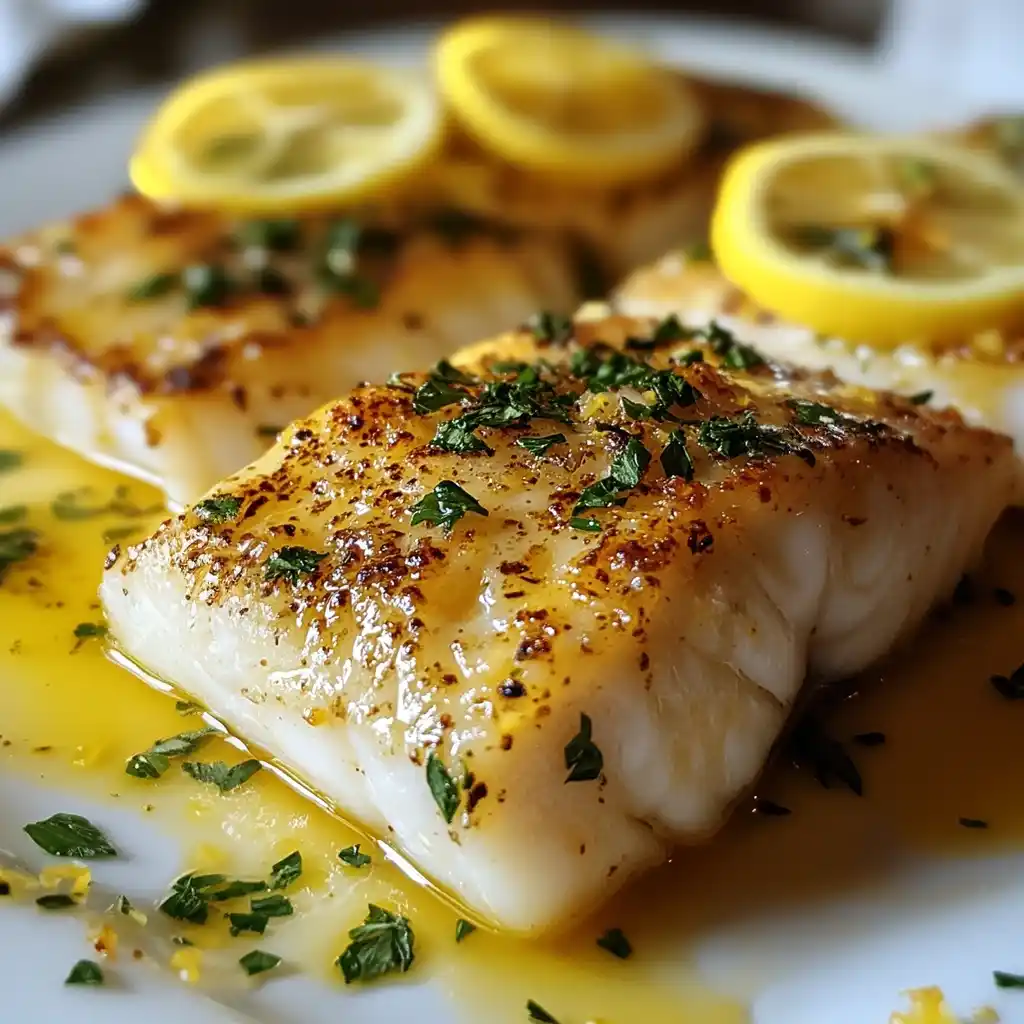
The Allure of Lemon Butter Cod: A Timeless Classic
Few dishes strike the perfect balance between simple elegance and profound flavor quite like a well-executed lemon butter cod recipe. This isn't just a meal; it's an experience that transforms humble cod fillets into a culinary delight, capable of gracing both weeknight tables and special occasions. The magic lies in the symphony of bright lemon, rich butter, and aromatic garlic – a trio of ingredients renowned for their ability to elevate any seafood, especially the delicate, mild flavor of cod.
Cod, known for its flaky, tender white flesh, is a remarkably versatile canvas. It readily absorbs and harmonizes with a myriad of flavors, making it an ideal choice for a robust sauce. The beauty of the lemon butter combination is its ability to enhance rather than overpower, allowing the natural sweetness of the fish to shine through while adding layers of savory depth and a zesty finish that tantalizes the palate. Whether you're a seasoned chef or a home cook looking for an impressive yet easy dish, mastering this lemon butter cod recipe is a game-changer.
Baked vs. Pan-Seared: Unveiling Your Cod Perfection
When it comes to preparing your lemon butter cod recipe, the primary decision often boils down to cooking method: baked or pan-seared. Both techniques yield delicious results, but each offers distinct advantages in terms of flavor, texture, and convenience.
The Art of Pan-Searing Cod
For those who crave a dish that sings with a golden-brown crust and unparalleled depth of flavor, pan-searing is the reigning champion. This method delivers a truly exquisite result, creating a delightful textural contrast between the crisp exterior and the moist, flaky interior. The secret to this perfection lies in the Maillard reaction – the scientific process of browning that develops complex flavors and aromas, something an oven simply cannot replicate to the same degree.
Beyond flavor, pan-searing offers remarkable speed. You can have perfectly cooked, tender cod fillets ready in under 10 minutes on the stovetop, making it an ideal choice for busy weeknights. A light dusting of flour, as suggested in many classic recipes, plays a crucial role here. It not only helps to soak up any surface moisture, encouraging that enviable golden crust, but also provides a subtle thickening agent for the subsequent lemon butter sauce, ensuring it clings beautifully to every flake of fish.
The cooking process typically involves searing the seasoned cod fillets in a hot skillet with a combination of olive oil and a high-quality butter. The olive oil helps prevent the butter from burning at higher temperatures, allowing it to brown gently and contribute to that rich, nutty flavor. For an even deeper dive into achieving that perfect pan-seared finish in record time, explore our guide on Quick Pan-Seared Lemon Butter Cod: Delicious in 25 Minutes.
The Elegance of Baked Cod
If you prefer a more hands-off approach, or are catering to a larger crowd, baking your cod is an excellent alternative. This method promises tender, moist, and wonderfully flaky fish with minimal effort. Baked cod often features a creamy lemon butter sauce poured over the fillets before baking, allowing the fish to gently poach in the flavorful liquid. This results in an incredibly succulent interior, where every bite is infused with the bright, tangy, and rich sauce.
One of the significant advantages of baked cod is its inherent healthiness. Many baked lemon butter cod recipe variations forego flour or breading, making them naturally gluten-free and lighter options. This method also frees up your stovetop for preparing complementary side dishes, streamlining your meal preparation. While it might take slightly longer than pan-searing (typically 15-20 minutes, depending on thickness), the trade-off is often worth it for the sheer convenience and consistent results. The gentle heat of the oven ensures even cooking throughout, resulting in a uniformly tender fillet.
Crafting the Ultimate Lemon Butter Sauce: Beyond the Basics
The sauce is undeniably the heart of any lemon butter cod recipe. While the core ingredients – lemon, butter, and garlic – are simple, the quality and preparation of each component make all the difference between a good dish and an extraordinary one. To truly elevate your lemon butter sauce, consider these insights:
- The Butter Revolution: Not all butter is created equal. The most impactful upgrade you can make is opting for a high-fat, European-style butter. These butters typically boast an 82-85% butterfat content, significantly higher than traditional American butter (around 80%). This extra fat and lower water content translates to a richer, creamier texture and a more pronounced, nuanced flavor. It also emulsifies more readily into sauces, creating a velvety consistency that clings beautifully to the fish. Some premium brands even utilize slow-churning methods, further enhancing their texture and flavor profile. To truly elevate your dish and uncover the secret behind this exceptional richness, delve into our article Secret Ingredient Revealed: Elevate Your Lemon Butter Cod.
- Freshness is Key: This cannot be overstated. Always use fresh lemon juice. Bottled lemon juice, while convenient, often carries a slightly bitter, preserved flavor that will stand out jarringly in a delicate sauce. Similarly, fresh garlic, minced finely, provides a pungent, aromatic warmth that garlic powder or jarred garlic paste simply cannot replicate.
- The Role of Olive Oil: When pan-searing, adding a touch of good quality olive oil alongside the butter is crucial. Butter alone has a lower smoke point and can burn, imparting an acrid taste. Olive oil helps to stabilize the butter, allowing it to brown gently and contribute its rich flavor without scorching.
- A Hint of Broth: A small amount of chicken or vegetable broth can be a fantastic addition to your lemon butter sauce. It helps to deglaze the pan after searing (capturing all those flavorful browned bits) and adds a touch of body and savory depth, creating a more robust and well-rounded sauce that isn't solely fat-based.
- Seasoning Sophistication: Beyond salt and pepper, a thoughtful blend of herbs and spices can truly make your sauce sing. Paprika adds a touch of warmth and color, while onion powder provides a foundational savory note. Dried thyme and oregano contribute earthy, herbaceous undertones that pair beautifully with seafood, and a tiny pinch of cayenne pepper can introduce a subtle, delightful kick without making the dish overtly spicy.
Essential Ingredients for Your Lemon Butter Cod Recipe
Crafting the perfect lemon butter cod recipe begins with selecting high-quality ingredients. Here's what you'll need, along with tips for optimal results:
- Cod Fillets: Aim for fillets that are roughly 1-inch thick for even cooking. While fresh is always preferred for its superior texture and taste, high-quality frozen cod, properly thawed, works perfectly fine. Ensure they are patted thoroughly dry before cooking to encourage browning.
- All-Purpose Flour (for Pan-Searing): A small amount is all you need to create that coveted golden crust and help the sauce adhere beautifully.
- Seasonings:
- Paprika: Adds color and a mild, peppery warmth.
- Onion Powder: Provides a foundational savory note.
- Dried Thyme & Oregano: Classic herbaceous notes that complement seafood.
- Cayenne Pepper: An optional pinch for a subtle, warming kick.
- Salt & Freshly Ground Black Pepper: Essential for bringing out all the flavors.
- High-Quality Butter: As discussed, a European-style or high-fat butter (salted or unsalted) will significantly enhance the richness and creaminess of your sauce. If using unsalted, remember to adjust the salt content of your sauce.
- Olive Oil: Used in conjunction with butter, especially for pan-searing, to prevent burning and add flavor.
- Fresh Garlic: Minced for its pungent, aromatic contribution to the sauce. Avoid jarred or powdered garlic for the best flavor.
- Fresh Lemon Juice: Crucial for the bright, tangy finish. Only use freshly squeezed.
- Chicken Broth: A small splash adds depth, helps deglaze the pan, and contributes to the sauce's body.
Tips for Success: Achieving Flaky, Flavorful Cod Every Time
- Don't Overcook! This is the golden rule for fish. Cod is cooked when it easily flakes with a fork and its internal temperature reaches 145°F (63°C). Overcooked cod becomes rubbery and dry.
- Pat Dry: Regardless of your cooking method, thoroughly pat your cod fillets dry with paper towels. Excess moisture hinders browning and can lead to a steamed, rather than seared or perfectly baked, texture.
- Even Thickness: If your fillets vary significantly in thickness, try to gently pound the thicker parts down slightly or cut them into more uniform pieces to ensure even cooking.
- Rest Briefly: Just like meat, allowing your cooked cod to rest for a minute or two after removing it from the heat allows the juices to redistribute, ensuring maximum tenderness and flavor.
- Serving Suggestions: Lemon butter cod pairs beautifully with a variety of sides. Think roasted asparagus, steamed green beans, fluffy rice, quinoa, or a simple side salad. The rich sauce also begs for some crusty bread to sop up every last drop.
Whether you opt for the crisp, savory char of pan-seared cod or the succulent, melt-in-your-mouth tenderness of a baked fillet, mastering a delicious lemon butter cod recipe is an incredibly rewarding culinary endeavor. It’s a dish that proves that extraordinary flavor doesn’t require complicated techniques or an extensive ingredient list, just quality components and a little attention to detail. So, grab your skillet or turn on your oven, and prepare to delight your senses with this timeless seafood classic.
